National Trust or English Heritage: Which is Best?

SHOULD YOU GET A NATIONAL TRUST OR AN ENGLISH HERITAGE MEMBERSHIP?
As a seasoned heritage explorer who’s been traversing the UK’s most incredible historical sites for over six years, I’ve become something of an expert on National Trust and English Heritage memberships.
My partner and I have been dedicated members of both organisations since 2019, visiting over 60 properties between us and developing an intimate understanding of what makes each membership truly special.
Our journey began with a spontaneous National Trust membership during a weekend trip to the Cotswolds, and we’ve since become absolute veterans at maximising these memberships. We’ve learned the insider tricks, discovered hidden gems, and worked out exactly how to get the most bang for our buck.
National Trust or English Heritage? The Short Answer:
Both National Trust and English Heritage offer incredible value, but they’re not created equal. The National Trust shines with its vast landscapes and historic houses, while English Heritage dominates when it comes to ancient monuments and archaeological sites. Your perfect choice depends on your travel style, budget, and heritage interests.
PLAN YOUR TRIP WITH OUR FAVOURITE RESOURCES
→ Best Accommodation site: Booking.com
→ Book an Activity or a Day Tour here: Viator.com
→ Compare Bus, Coach & Train Prices here: Omio.com
→ Reserve your Rental Car here: DiscoverCars.com
Trust me, after countless weekends exploring everything from windswept coastal castles to meticulously maintained gardens, we’ve got the ultimate guide to help you decide which membership is right for you.
National Trust vs English Heritage: By The Numbers
Let’s get down to the stats. In 2025, the numbers tell an interesting story:
- National Trust manages over 500 historic properties and 1 million acres of countryside
- English Heritage looks after more than 400 historic monuments and buildings
- National Trust has approximately 5.6 million members
- English Heritage boasts around 1.7 million members
Benefits of National Trust Membership
National Trust isn’t just a membership – it’s your golden ticket to Britain’s most breathtaking landscapes. As someone who’s used this membership extensively, here’s what you really get:
✅ Free entry to over 500 historic houses, gardens, and nature reserves
We’ve discovered some absolute gems this way. For instance, our membership has allowed us to explore properties we’d never have considered paying individual entry for, like the stunning Attingham Park in Shropshire, where we’ve spent entire afternoons picnicking and exploring without worrying about entrance fees.
✅ Unlimited access to stunning coastal walks
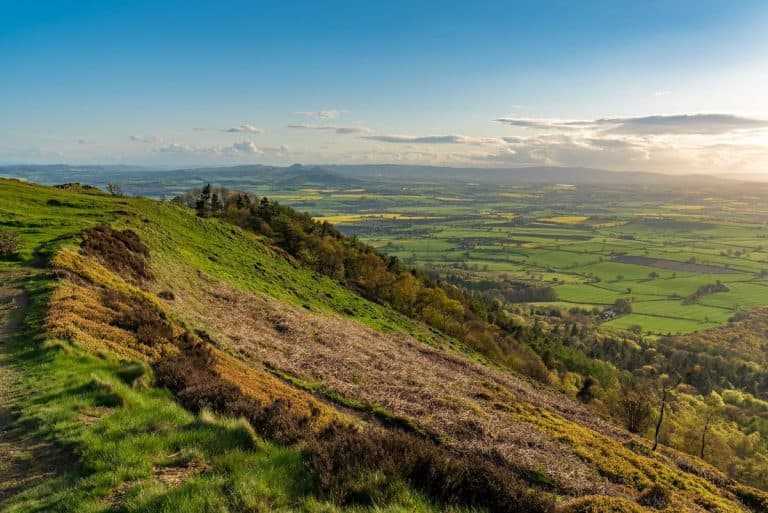
These aren’t just any walks – they’re some of the most spectacular in the region. We’ve hiked along beautiful trails in the Shropshire Hills and around the Staffordshire moorlands, capturing breathtaking views that would have cost us a fortune in tour packages.
✅ Discounts at National Trust cafes and shops
Pro tip: These discounts add up quickly. We’ve saved hundreds over the years, especially during our marathon exploration weekends when we’re grabbing lunch or picking up unique gifts.
✅ Free parking at most properties
This is a huge money-saver. In popular locations like Bath and the Cotswolds, parking alone can cost £10-£15, so this benefit is worth its weight in gold.
✅ Quarterly magazine packed with travel inspiration
A useful special events leaflet that’s become our secret weapon for planning trips. This is actually how we discovered an incredible outdoor theatre performance at Warwick Castle – a show we’d have completely missed without this insider information.
Related post: How to claim a FREE National Trust Family Pass worth up to £50 (limited time offer)
Benefits of English Heritage Membership
English Heritage takes you on a time-travelling adventure with perks that history buffs will absolutely love:
✅ Free entry to over 400 historic sites
We’ve explored everything from tiny medieval chapels to massive castle complexes. Our favourite discovery was the lesser-known Ashby de la Zouch Castle, which we’d have never visited without our membership.
✅ Exclusive access to special events and archaeological sites
These events are gold dust for history lovers. We’ve attended incredible re-enactments and archaeological talks that aren’t open to the general public.
✅ Detailed guidebooks with each site visit
These aren’t just any guidebooks – they’re like having a historian in your pocket. We’ve learned fascinating details about sites that we’d have completely missed otherwise.
✅ Discounts on English Heritage holiday cottages
A little-known benefit that can save you serious money on unique accommodation. We’ve stayed in some incredibly atmospheric historic properties this way.
✅ Free entry for up to 6 children per adult
Perfect for families looking to make history exciting and affordable. We’ve seen how these discounts can make educational trips much more accessible.
Read more: The Ultimate 3-Day Cotswolds Itinerary [Hidden Gems & Most Efficient Routes]
How much could you save with a National Trust or English Heritage membership?
Savings aren’t just about the headline membership price – it’s about how you use it. In our six years of membership, we’ve learned that your savings can vary dramatically based on your exploration habits.
Let’s break it down. An individual adult (26+) annual membership costs:
✪ National Trust: Around £96 per year
✪ English Heritage: Approximately £82 per year
But here’s the thing: if you’re a casual visitor who might go to 2-3 properties a year, you might only save £20-£30. However, for avid explorers like us who visit 10-15 properties annually, we’re talking about savings of £250-£350.
Our golden rule? If you’re planning more than four substantial visits in a year, a membership will definitely save you money. We’ve had years where we’ve visited over 20 properties, turning our combined £178 membership into a £600+ value.
→ Book your National Trust Membership Pass here: (you also get a free £10 gift card to use in any National Trust cafe or shop)
→ Buy your English Heritage Membership Pass here:
The National Trust: Disadvantages
Let’s be brutally honest – the National Trust isn’t perfect. After six years of membership, we’ve encountered some frustrating limitations that might make you think twice:
❌ Fewer archaeological sites compared to English Heritage
While the National Trust excels in preserving beautiful properties, history buffs might feel shortchanged. We’ve often found ourselves craving more in-depth historical context, especially for prehistoric and Roman sites. The focus tends to be more on aesthetic preservation than archaeological depth, which can leave serious history enthusiasts wanting more.
❌ Some properties have limited winter access
This has caught us out more times than we care to admit. During the winter months, many National Trust properties reduce their opening hours or close entirely, leaving weekend explorers with limited options. We’ve turned up to several properties on crisp winter days only to find locked gates and closed visitor centres, which can be incredibly disappointing.
❌ Slightly more expensive membership
Every pound counts, and the National Trust’s membership is about £14 more expensive than English Heritage. While this might not seem like much, it adds up over time. For budget-conscious travellers, this extra cost can be a deciding factor, especially if you’re not planning to visit multiple properties each year.
❌ Less focus on ancient monuments
If you’re passionate about really old historical sites, the National Trust can feel a bit surface-level. Their properties tend to focus on more recent historical periods – think Georgian and Victorian estates – rather than truly ancient monuments. We’ve often found ourselves supplementing our National Trust membership with English Heritage to get our fix of prehistoric and medieval sites.
Related post: How to Get a FREE English Heritage Family Pass worth £50 (Autumn 2025)
English Heritage: Disadvantages
Even our beloved English Heritage has its limitations:
❌ Fewer landscaped gardens
Unlike the National Trust, English Heritage properties often feel more rugged and less manicured. We’ve visited sites that, while historically fascinating, lack the beautiful garden landscapes that make National Trust properties so photogenic. If you’re someone who loves wandering through perfectly maintained gardens, English Heritage might leave you wanting.
❌ Less emphasis on natural environments
The focus here is firmly on historical sites, sometimes at the expense of natural beauty. Where National Trust properties often feel like a perfect blend of history and landscape, English Heritage sites can feel more isolated and stark. We’ve sometimes felt like we’re viewing history through a very narrow lens.
❌ Smaller network of properties
With fewer properties to choose from, your exploration options can feel more limited. During our membership, we’ve occasionally found ourselves struggling to plan a weekend trip, especially in less touristy regions. The National Trust simply offers more variety and choice.
❌ Some sites are more rugged and less family-friendly
Not all English Heritage sites are created equal when it comes to family accessibility. Some of the more archaeological sites can be challenging with young children or less mobile visitors. Steep stairs, uneven terrain, and minimal facilities can make some experiences challenging.
National Trust vs English Heritage Membership: Quick Comparison Guide
| National Trust | English Heritage | |
| Properties Covered | 500+ (England, Wales, Northern Ireland) | 400+ (England only) |
| Annual Adult Price | £96 (or £8/month) | £82 (or £6.83/month) |
| Family Membership | £168.60 (2 adults + kids under 18) | £144 (2 adults + up to 6 kids free per adult) |
| Senior Discount | 25% off for over 60s (with 5+ years’ loyalty) | £69 (vs. £82 standard adult) |
| Lifetime Membership | £2,320 (standard individual) | From £1,750 (standard individual) |
| Parking | Free at most sites | Free at most sites |
| Kids Go Free | All children under 5 | Up to 6 kids free per adult |
| Magazine/Handbook | 3x yearly magazine + handbook | Annual handbook + members’ magazine |
| Exclusive Events | Member-only walks, talks, and previews | Behind-the-scenes tours, jousting, workshops |
| Dog-Friendly Sites | 90%+ allow dogs on leads | 150+ designated dog-friendly sites |
| Reciprocal Benefits | Free entry to National Trust Scotland | Discounts at Cadw (Wales), Historic Scotland |
Where The National Trust Is Better Than The English Heritage
◉ Scenic landscapes The National Trust doesn’t just preserve buildings – they protect entire ecosystems. We’ve walked through landscapes that take your breath away, from rolling Shropshire hills to carefully maintained woodland trails. These aren’t just walks; they’re immersive experiences that connect you deeply with the British countryside.
◉ Well-maintained gardens If gardens are your thing, the National Trust is in a league of its own. We’ve spent entire days lost in meticulously designed landscapes, each garden telling a unique story. From formal Renaissance-style layouts to wild, romantic English gardens, the variety is stunning.
◉ Family-friendly experiences National Trust properties go above and beyond to welcome families. Interactive exhibits, children’s trails, and dedicated play areas make history come alive for kids. We’ve watched our nephews and nieces transform from bored children to excited historians during these visits.
◉ Coastal and countryside walks These aren’t just walks – they’re adventures. The National Trust manages some of the most spectacular walking routes in the UK, offering everything from gentle strolls to challenging coastal paths. Each walk feels like a mini-expedition, complete with breathtaking views and unexpected discoveries.
Where The English Heritage Is Better Than The National Trust
◉ Ancient monuments If you’re a true history nerd, English Heritage is your paradise. We’ve explored sites that date back thousands of years – Roman fortifications, prehistoric stone circles, and medieval ruins that transport you back in time. The archaeological depth is unparalleled.
◉ Archaeological sites English Heritage doesn’t just preserve sites; they help you understand them. Detailed information boards, expert guides, and carefully curated exhibitions bring these historical locations to life. We’ve learned more about British history during English Heritage visits than in years of reading books.
◉ Historical ruins There’s something hauntingly beautiful about a well-preserved ruin, and English Heritage knows this. From partial castle walls to crumbling abbeys, these sites tell stories of conflict, resilience, and change. Each visit feels like solving a historical mystery.
◉ Educational historical experiences These aren’t tourist attractions – they’re living history lessons. We’ve attended re-enactments, archaeological talks, and interactive workshops that provide deep, nuanced understanding of historical periods. English Heritage turns history from a dry subject into a thrilling narrative.
All Said and Done, a National Trust Membership is Right For You if…
☑️ Love exploring beautiful landscapes These aren’t just walks, but journeys through some of the most breathtaking scenery Britain has to offer, with each step revealing a new perspective on our incredible countryside.
☑️ Enjoy well-preserved historic houses You’ll find meticulously maintained properties that offer a window into different historical periods, with carefully curated interiors that tell rich stories of British social history.
☑️ Have a family and want child-friendly experiences The National Trust goes above and beyond to make history interactive and exciting for children, with dedicated play areas, treasure hunts, and engaging educational programs.
☑️ Appreciate manicured gardens These are living works of art, with each garden telling a unique story of design, botany, and cultural heritage that goes far beyond simple aesthetic pleasure.
☑️ Enjoy coastal and countryside walks You’ll discover hidden paths, breathtaking viewpoints, and routes that connect you intimately with Britain’s most stunning natural landscapes.
But, an English Heritage Membership is Right For You if…
☑️ Are passionate about ancient history These sites offer a raw, unfiltered connection to Britain’s most ancient past, taking you back thousands of years to understand the foundations of our cultural landscape.
☑️ Love exploring archaeological sites You’ll get up close and personal with historical sites that most people only read about in textbooks, with opportunities to truly understand the archaeological significance.
☑️ Want to understand Britain’s deep historical roots English Heritage provides context and depth that goes far beyond surface-level historical tourism, offering insights into the complex layers of British history.
☑️ Prefer more rugged, authentic historical experiences These aren’t sanitised, polished attractions, but real historical sites that let you feel the weight of history in its most authentic form.
☑️ Are interested in Roman, Medieval, and prehistoric sites You’ll walk in the footsteps of ancient civilisations, exploring sites that have witnessed centuries of human history and transformation.
Must-See National Trust and English Heritage Places in the West Midlands
Attingham Park (National Trust)
A magnificent Regency-era mansion set within 4,000 acres of deer park and woodland, Attingham Park tells a story of opulence, neglect, and revival.
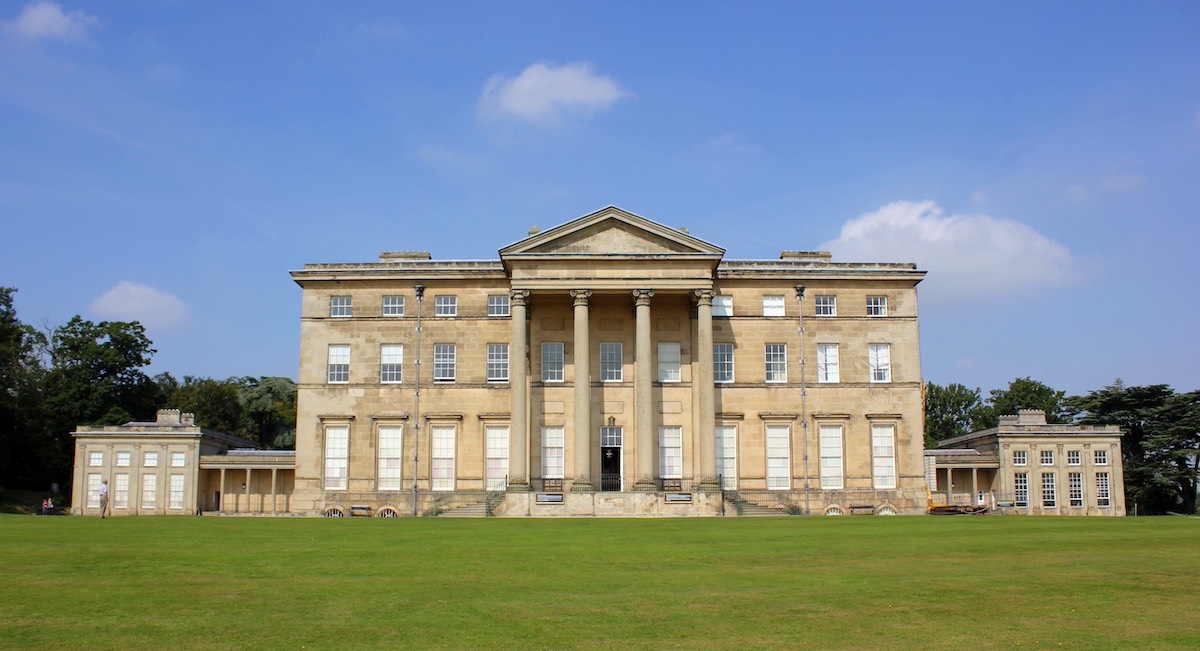
Built in 1785 for the 1st Lord Berwick, the house later fell into disrepair before being rescued by the National Trust in the 20th century. Today, visitors can:
✦ Enjoy seasonal events, from outdoor theatre performances to Christmas market fairs.
✦ Explore the grand State Rooms, filled with original Regency furnishings and dramatic peeling wallpaper in the “unrestored” wing—a deliberate showcase of its conservation journey.
✦ Walk the Capability Brown-inspired parkland, where fallow deer roam freely, and the River Tern winds through meadows perfect for picnics.
✦ Let kids loose in the Walled Garden, with its orchard, vegetable plots, and play trail.
Dudley Castle (English Heritage)
Perched on a limestone ridge overlooking the Black Country, this 11th-century fortress is steeped in medieval drama – from Norman conquests to Civil War sieges.

The castle ruins now form part of the Dudley Zoo, creating a unique blend of history and wildlife. Highlights include:
✦ The Great Keep, offering panoramic views across the industrial heartland—a striking contrast to its medieval origins.
✦ The underground “dark ages” tunnels, where costumed guides bring tales of knights and prisoners to life.
✦ Interactive exhibits, including replica siege weapons and a chance to try on chainmail.
✦ Zoo access included, with tigers, lemurs, and reptiles housed in the castle’s courtyards.
Moseley Old Hall (National Trust)
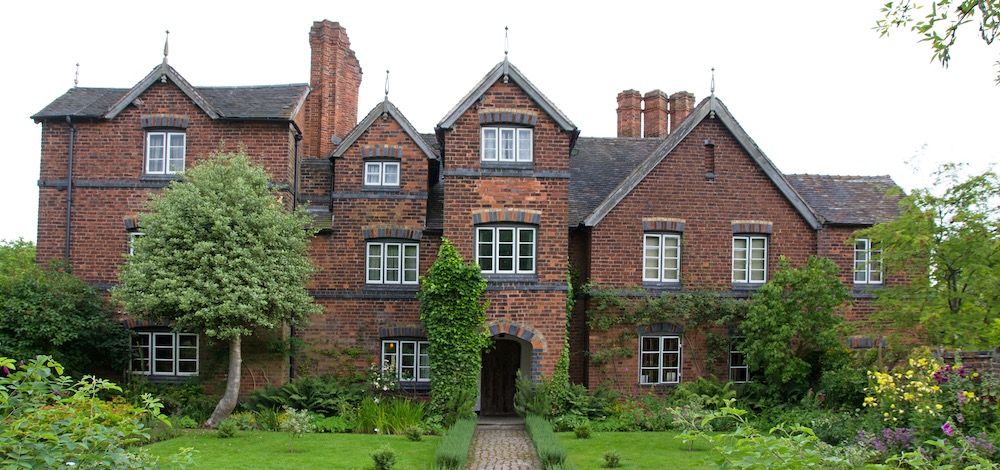
This unassuming half-timbered farmhouse hides an extraordinary past: it was a clandestine safehouse for King Charles II during his famous 1651 escape after the Battle of Worcester. Disguised as a servant, the king hid here in a priest hole while Cromwell’s soldiers searched the area. Today, visitors can:
✦ Crouch inside the original priest hole and imagine the king’s terror.
✦ See the four-poster bed where Charles slept (still in place!).
✦ Stroll the cottage garden, planted with 17th-century herbs and flowers.
✦ Join living history weekends, where actors reenact the king’s dramatic flight.
Wroxeter Roman City (English Heritage)
Once Britain’s fourth-largest Roman settlement (larger than Pompeii!), Wroxeter (Viriconium) was a bustling provincial capital.
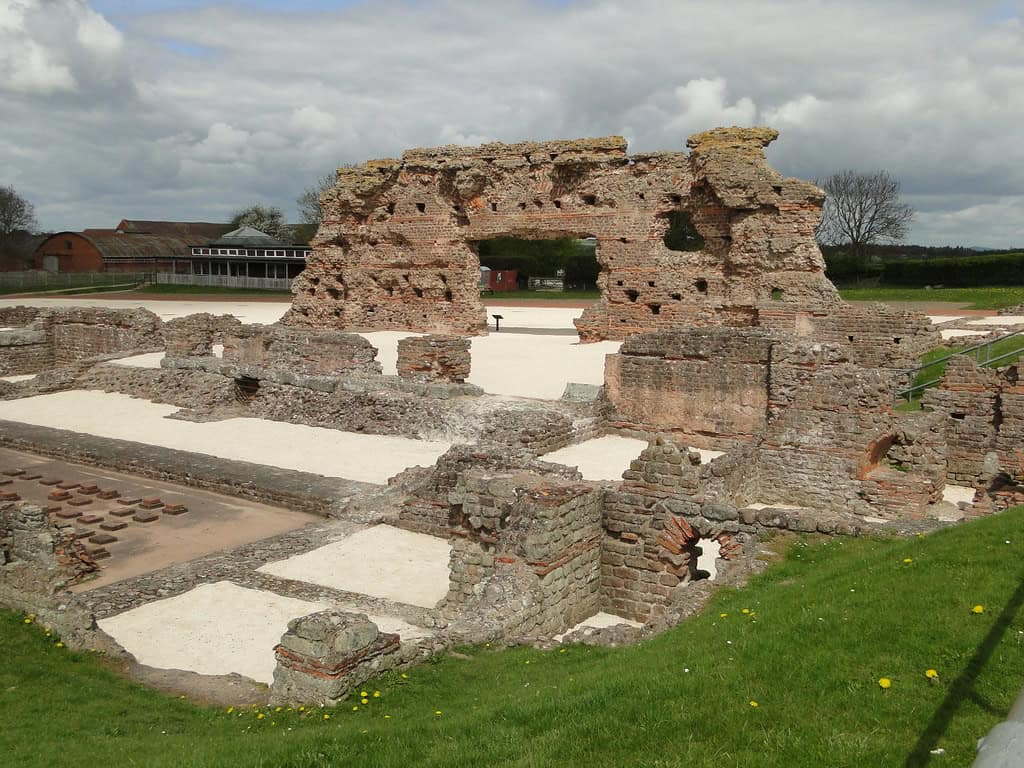
Today, its crumbling baths, forum, and streets evoke its 2nd-century heyday. Don’t miss:
✦ The full-scale replica Roman villa, built using ancient techniques for Channel 4’s Rome Wasn’t Built in a Day. Peek inside to see frescoes and underfloor heating.
✦ The hypocaust system—marvel at Roman engineering beneath the bathhouse.
✦ Audio tours narrated by Daljit Nagra, immersing you in the sounds of the past.
✦ Seasonal Roman soldier training days for kids.
Sudeley Castle (National Trust/Private)
A Tudor jewel with ties to Katherine Parr (Henry VIII’s last wife, buried here), Sudeley blends royal romance, Civil War destruction, and Victorian revival. Highlights:
✦ Falconry displays and annual jousting tournaments.
✦ The Queens’ Garden, where roses frame the tombs of Katherine Parr and a later royal mistress.
✦ The exhibition of love letters between Charles I and his wife, hidden here during the war.
✦ The ruined banqueting hall, where Elizabeth I once hosted parties.
Kenilworth Castle (English Heritage)
A medieval masterpiece transformed by Elizabeth I’s favourite, Robert Dudley, who added a Renaissance palace wing to impress her.

The castle’s 12th-century keep, 14th-century hall, and Elizabethan gardens (replanted to their 1575 glory) reveal layers of history. Must-sees:
✦ Family-friendly siege workshops and archery demos.
✦ The Leicester Building, where Dudley wooed the queen (look for their secret meeting spots)
✦ The mere, a vast lake drained after the Civil War siege.
Powis Castle (National Trust)
A fortress of roses and rebellion, Powis Castle is a medieval marvel perched dramatically above terraced gardens that rival Versailles. This Welsh-border stronghold has swung between English and Welsh rule for centuries, leaving a legacy of clashing crowns and romantic intrigue. Today, it dazzles with:
✦ The world-famous terraced gardens, where 300-year-old yew hedges cascade down the hillside like green waterfalls, and Italianate statues peek from flower beds.
✦ The Red State Bedroom, where a secret passage (once used by warring lords) now leads to views across the Severn Valley.
✦ Romantic twilight tours revealing tales of star-crossed lovers from the castle’s turbulent past.
Witley Court (English Heritage)
A crumbling palace of Victorian excess, Witley Court’s fire-gutted ruins whisper of Gilded Age balls—and the 1937 blaze that bankrupted its owner.

Now a hauntingly beautiful shell, it captivates with:
✦ The towering Perseus and Andromeda fountain, Europe’s largest, which still erupts in a 100ft jet of water during summer displays.
✦ “Echo chambers” in the roofless ballroom, where guides demonstrate how whispers traveled to spies in the walls.
✦ Autumn fungus forays in the overgrown gardens, where orchids sprout from mosaic floors.
Baggeridge Country Park (National Trust)
A playground of industrial heritage, this former coal-mining site is now a 260-acre green escape where steam trains chuff past wildflower meadows. Families flock for:
✦ The mini railway, where kids (and nostalgic adults) ride open carriages pulled by a 19th-century replica steam engine.
✦ The “Miner’s Trail”, dotted with reclaimed pit machinery and plaques about the Black Country’s mining past.
✦ The adventure woods, with zip wires, balance beams, and a mud-kitchen for tiny explorers.
Excellent for families, dog walkers, and those who love exploring natural landscapes with historical significance, Baggeridge Country Park is one of the best places you can visit in Wolverhampton.
Ironbridge Gorge Museums (English Heritage)
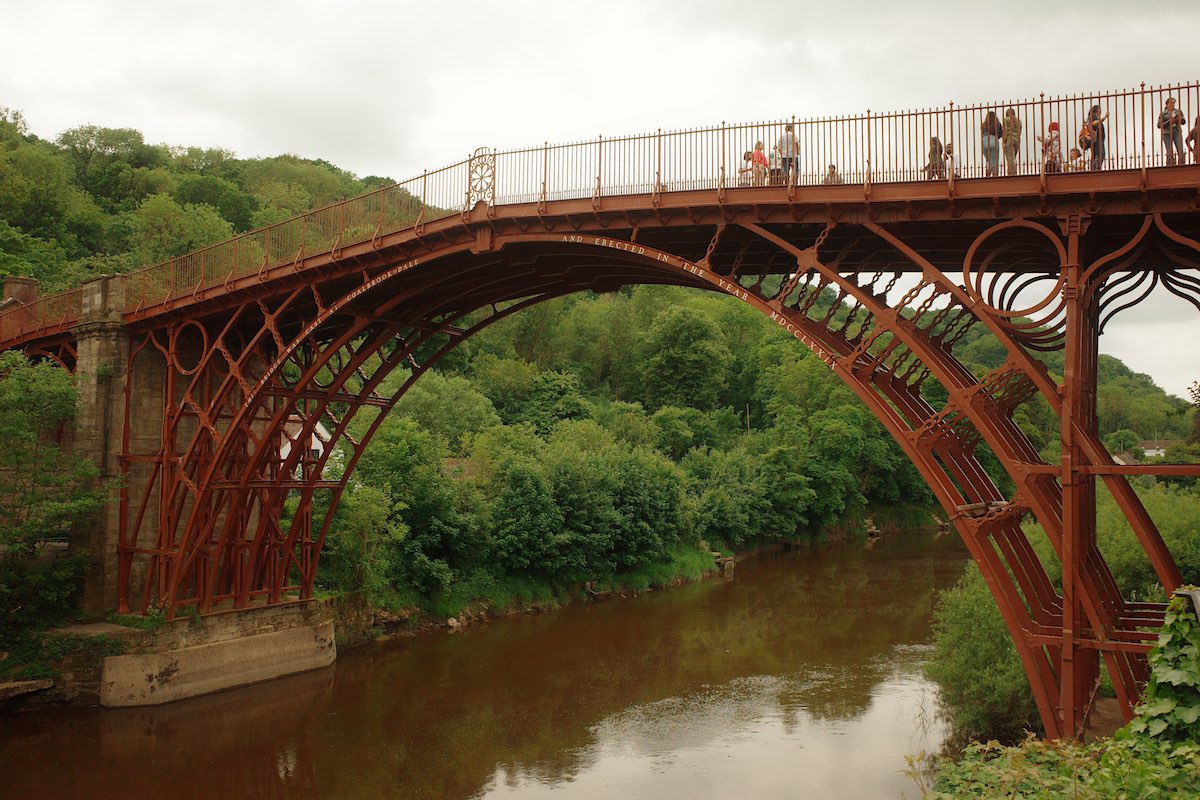
One of our absolute fave places, the museums and the Iron Bridge itself make up the highlights of the Ironbridge Gorge UNESCO World Heritage Site. The birthplace of the Industrial Revolution, each museum offers insights that showcase technological innovation and social change.

Must-dos include:
✦ Walking the Iron Bridge itself—lit blue at night, it’s the world’s first major iron structure (1781).
✦ Blists Hill Victorian Town, where costumed blacksmiths, bakers, and bankers let you spend replica coins in a living-history time warp.
✦ The Jackfield Tile Museum, a kaleidoscope of ceramic art that adorned Tube stations and pubs.
✦ The Enginuity hands-on gallery, where kids build dams and test earthquake-proof bridges.
A must-visit for families, history enthusiasts, and anyone interested in understanding Britain’s industrial heritage. The town of Ironbridge is also worth checking out, and we recommend dropping by one of its superb riverside restaurants. Kids will especially enjoy the hands-on activities and absorb a wealth of knowledge here.
→ Related post: 19 Must-Do Things in Telford with Kids
Map of National Trust Locations in the West Midlands
Use the map below to zoom in/out and find out more information on National Trust sites around the West Midlands such as customer reviews, address, directions, and web links of the sites.
Map of English Heritage Locations in the West Midlands
Use the map below to zoom in/out and find out more information about English Heritage sites across the West Midlands, including customer reviews, address, directions, and web links of each site.
See also: The Fleece Inn, in Bretforton, is National Trust site and also one of the best pubs in the Cotswolds
Which one is better, English Heritage or National Trust?
There’s no definitive “better” – it depends entirely on your interests. National Trust excels with landscapes and preserved houses, while English Heritage shines with archaeological sites and ancient monuments. We recommend considering your personal travel preferences, historical interests, and how often you’ll visit properties.
Do National Trust members get free entry to English Heritage?
No, memberships are completely separate. You’ll need individual memberships for each organisation. If you’re a serious heritage explorer like us, you might find value in getting both to maximise your historical site visits across the UK.
Which is the cheapest?
English Heritage is slightly cheaper, with annual memberships around £66 compared to National Trust’s £72. However, the best value depends on how many properties you’ll visit. Calculate your potential visits to determine true cost-effectiveness.
Which offers more value for money?
Value is personal and depends on your exploration habits. For landscape lovers, National Trust offers more. For history buffs, English Heritage provides deeper archaeological experiences. Our advice? Compare the properties near you and your typical travel patterns.
Which is best for couples without children?
Both offer fantastic experiences for couples. English Heritage might have a slight edge for history-loving couples who enjoy exploring archaeological sites and ruins. National Trust provides more romantic garden and coastal walk opportunities.
Which is best if you have children?
National Trust typically provides more family-friendly, interactive experiences. With dedicated children’s trails, play areas, and engaging exhibits, it’s designed to make history fun and accessible for younger visitors.
Which is best if you travel with dogs?
National Trust generally offers more dog-friendly properties and walking routes. Many National Trust sites welcome dogs on leads, with extensive countryside and coastal paths perfect for four-legged adventurers.