
24 Black Country Facts That Will Surprise You: From the Industrial Revolution to Today

WONDERING WHAT ARE SOME FUN FACTS ABOUT THE BLACK COUNTRY?
From powering the Industrial Revolution to hiding gunpowder plotters, the Black Country region of England has witnessed more history than most nations manage in centuries.
So where is the Black Country exactly? Picture a roughly circular area stretching west from Birmingham’s borders, encompassing parts of four metropolitan boroughs: Dudley, Sandwell, Walsall, and Wolverhampton.
Though if you ask two locals to draw the boundaries on a map, you’ll likely get two different answers – and possibly start a friendly argument that could last until closing time.
PLAN YOUR TRIP WITH OUR FAVOURITE RESOURCES
→ Best Accommodation site: Booking.com
→ Book an Activity or a Day Tour here: Viator.com
→ Compare Bus, Coach & Train Prices here: Omio.com
→ Reserve your Rental Car here: DiscoverCars.com
Overview: General Info & Facts
Motto: Mettle and Fire
Population: 1.34 million (2023)
Area size: 138 square miles
Founded: Medieval period (coal mining began), 1840s (name first recorded)
Region & County: West Midlands
Highest Peak: Turner’s Hill, Dudley (251m above sea level)
Largest Lake: Himley Hall Lake, South Staffordshire
Local dish: battered chips, pork faggots
Unique Features: UNESCO Global Geopark status, extensive canal networks, industrial heritage sites
Hidden gem: Dudley Castle and Zoo with rare Modernist architecture (Book discounted tickets HERE)
Black Country Map
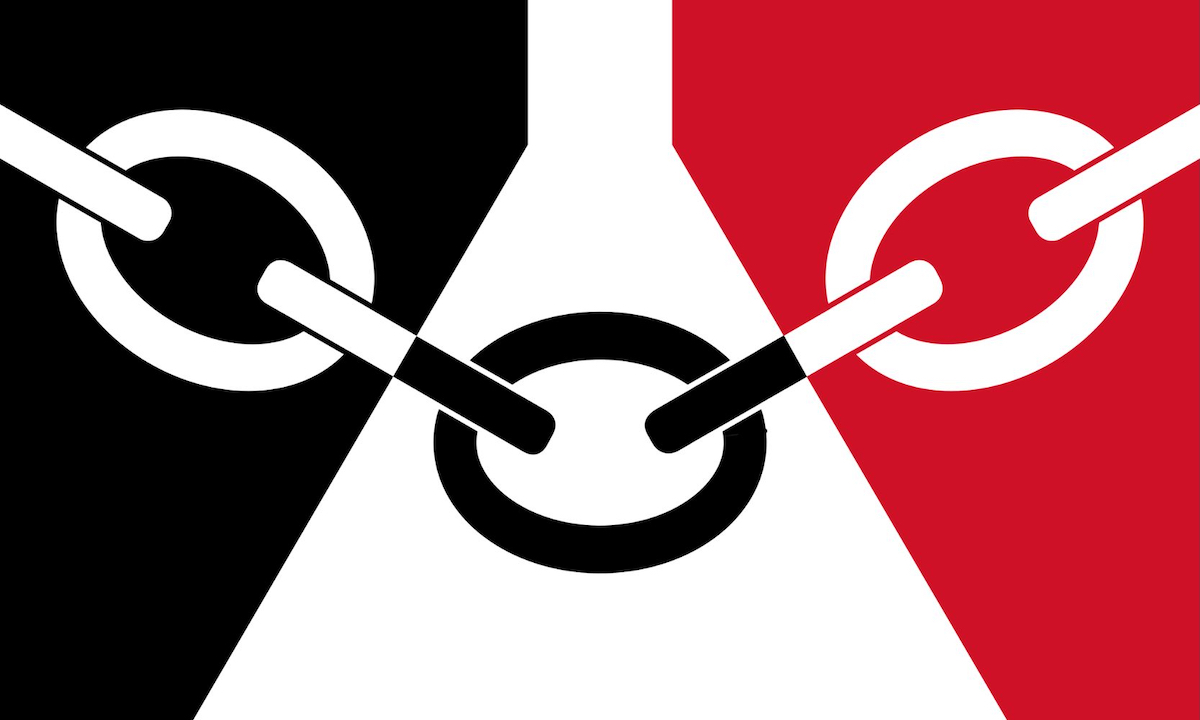

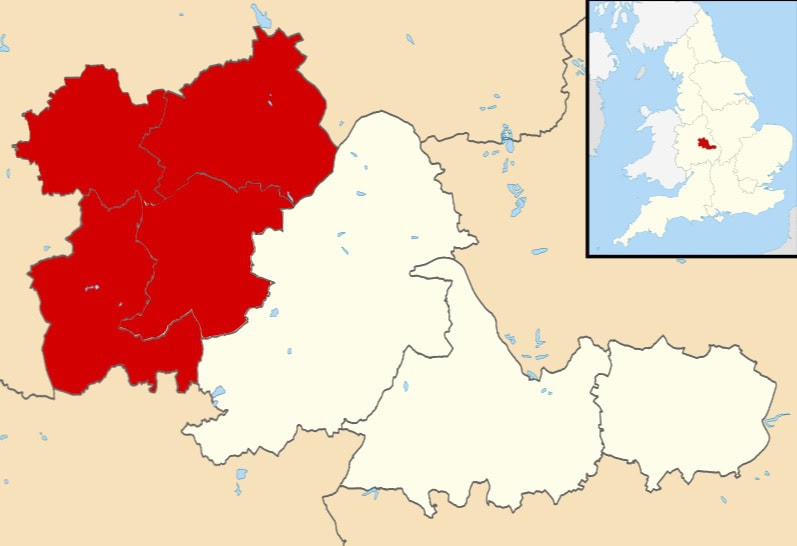
The ‘region was described as ‘black by day and red by night’
Why is it called the Black Country? Two theories compete for dominance. Its name was first recorded in the 1840s, and derives either from the 30 foot (9.1 m) thick coal seam close to the surface or the production of coal, coke, iron, glass, bricks and steel.
But the more dramatic explanation comes from American diplomat Elihu Burritt, who in 1862 famously described the area as ‘black by day and red by night’ – referring to the soot-filled air by day and the glow from countless furnaces after dark.
World’s first commercially successful steam engine emerged from Tipton
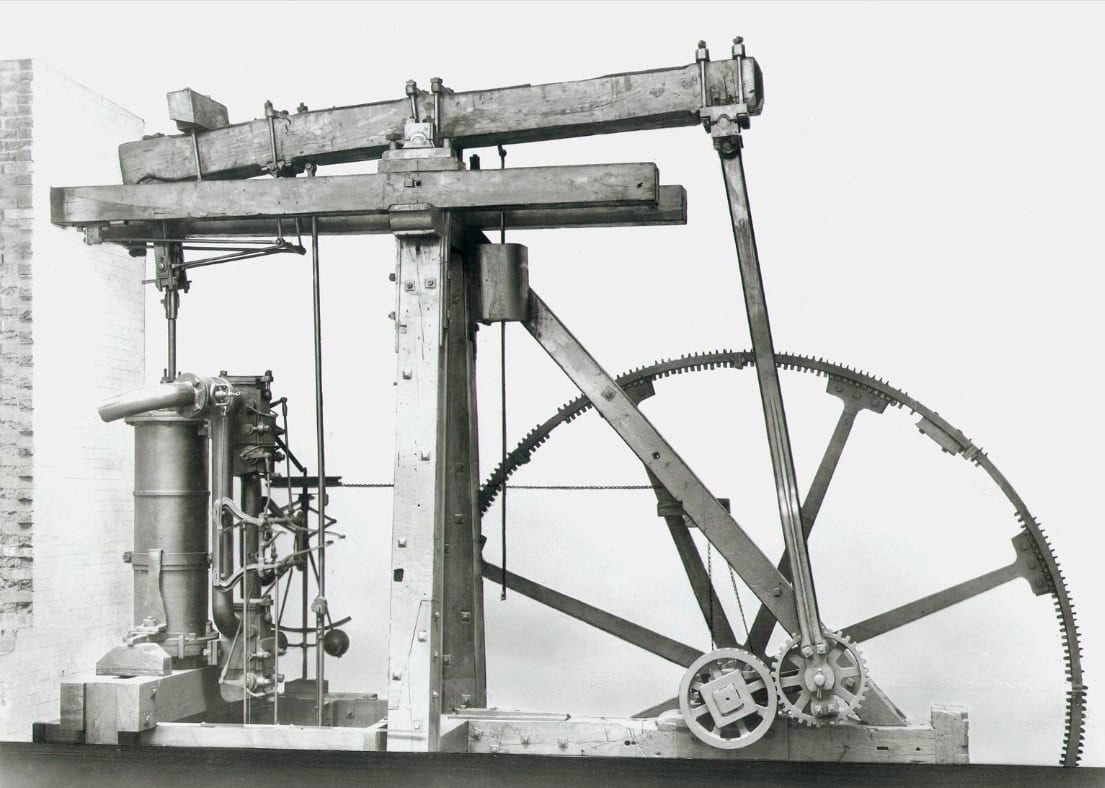
Black Country Day is celebrated on 14 July, considered the date of the inception of the Newcomen engine, the first commercially successful engine. Thomas Newcomen’s 1712 invention was first installed at Coneygree Coal Works in Tipton, revolutionising mining by pumping water out of flooded shafts.
Without this breakthrough, and later James Watt’s improvements in 1778, the Industrial Revolution simply wouldn’t have happened.
Gunpowder plotters made their final desperate stand at Holbeche House
Holbeche House in Wall Heath near Dudley saw many of the plotters make their last stand after the arrest of Guy Fawkes in London. After their plot to blow up Parliament failed, the conspirators fled to this Tudor mansion.
Robert Catesby, the leader, and co-conspirator Thomas Percy were killed in the shoot-out with the Sheriff of Worcester and his men on 7 November 1605.
Twenty shire horses hauled the Titanic’s anchor through local streets
N. Hingley & Sons Ltd was a large-scale chain and anchor manufacturing work based in Cradley but moved to Netherton around 1852, and in 1911, they created the massive anchor for the doomed liner.
It was towed to the train station by 20 shire horses – imagine that procession trundling through the Black Country streets.
UNESCO recognised the region as a world-famous Global Geopark
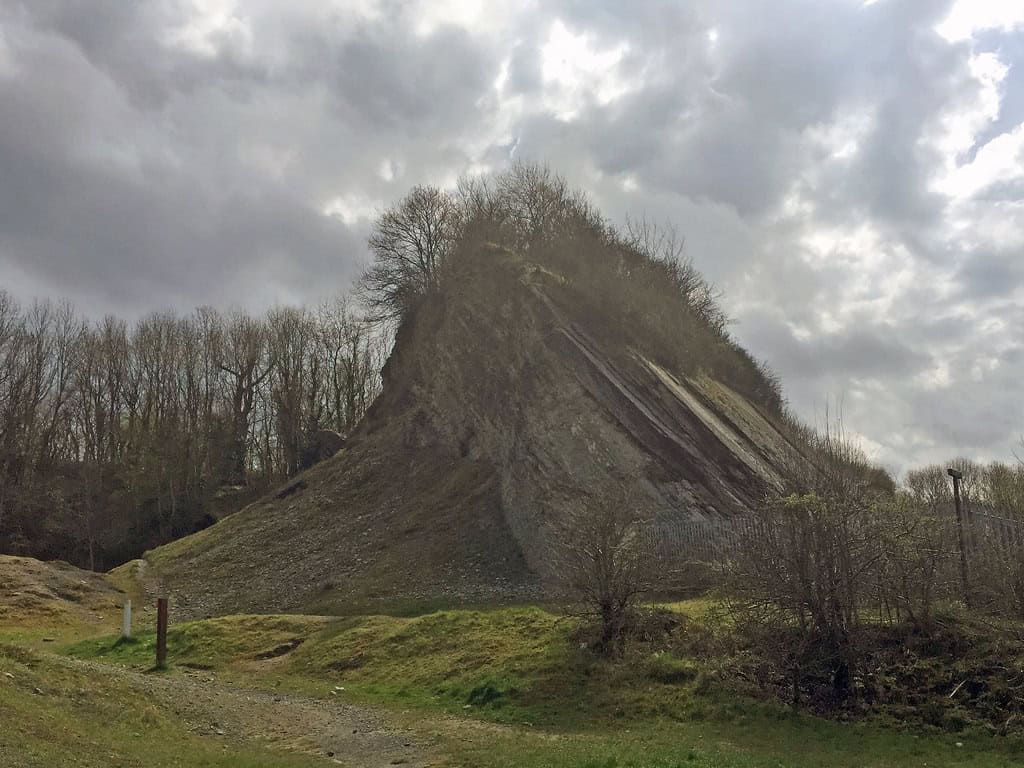
The Black Country officially became a ‘world-famous’ UNESCO Global Geopark in July 2020 for its internationally important geology. The Wren’s Nest was designated Britain’s first National Nature Reserve for geology in 1956.
Fossil remains, with some dating from 420 million years ago, have been found in the area. The star fossil is the trilobite ‘Calymene blumenbachii’ was often found by the quarrymen in the 19th century it became known as the ‘Dudley Bug’ or ‘Dudley Locust’.
➤ Looking for a place to stay in the Black Country?
Find all the best Black Country hotels on Booking.com. Easily find, book and enjoy great hotel deals with free cancellation on one easy platform. Our top suggestion – this Cosy and Spacious Apartment, in the heart of the region and is rated 10/10 Exceptional!
Related post: 47 Interesting Facts about Birmingham
Dudley Zoo secretly houses Britain’s rarest Modernist architecture
Dudley Zoo sees hundreds of thousands of visitors every year. Next time you visit the giraffes, take another look at the set of Modernist buildings so rare they’ve achieved World Monuments Fund status.
Constructed between 1935 and 1937, the 12 structures comprising the complex were designed by the Tecton practice, a London-based association founded in 1932 by Berthold Lubetkin. This complex survives as the only collection of interrelated Tecton designs in Britain.
Speaking of which, Dudley Zoo and Castle is one of the top must-visit attractions in the Black Country, home to over 1,300 animals from around the world, all set within the dramatic grounds of a 11th-century castle ruin. A unique day out and the perfect family-friendly activity while you’re exploring the area!

➡️ Get 20% off your tickets to Dudley Zoo and Castle HERE when you book in advance! ⬅️
Chain-making women launched Britain’s minimum wage revolution
In 1910 the women chain makers were amongst Britain’s most poorly paid workers. When the chain makers were denied the minimum weekly wage of 11s (55p) set by the Trades Board Act, Macarthur brought the 800 women (most of whom were NFWW members) out on strike in 1910.
This wasn’t just a local dispute – it was a battle for workers’ rights that echoed through British history.
What is the Black Country Famous For?
Beyond the major historical events, the Black Country built a reputation for innovation and craftsmanship that reached every corner of the globe.
The region’s metalworking traditions produced everything from the finest jewellery to massive industrial machinery. Local firms made parts for ships, buildings, and infrastructure projects worldwide.
You may also like: 41+ Fun Facts About Stoke-on-Trent, Staffordshire
Victorian London’s Crystal Palace rose from Black Country glass
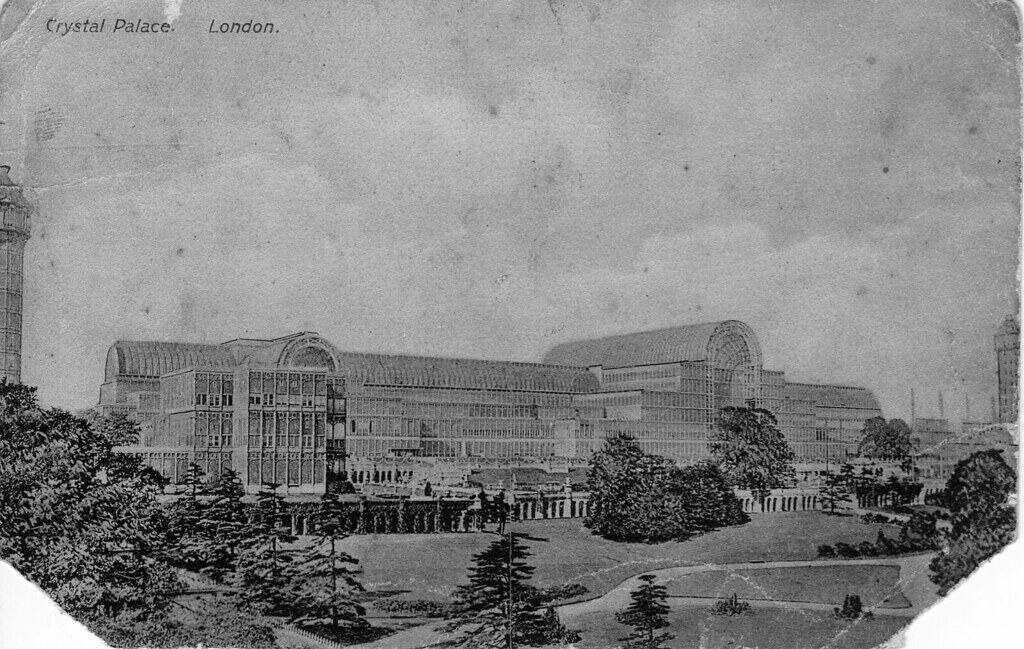
The glass and the majority of ironwork for the building that hosted the world-famous Grand Exhibition in 1851 were made in the Black Country. Chance Brothers was a glasswork based in Smethwick.
They were one of the first companies to produce very long pieces of window glass, and at the time, the glass sheets used in the construction of the Crystal Palace were the largest sheets ever made.
Locals wear the ‘Yam Yam’ badge with fierce regional pride
The term ‘Yam Yam’ comes from the distinctive Black Country dialect. The Urban Dictionary website said it derived from the Black Country dialect for “you are” – “yam”.
Terry Price, a historian born in Great Bridge in West Bromwich, said the pronunciation in dialect was nearer to “y’owm” or “yo am” instead of “you are”. It’s a badge of honour for locals who fiercely defend their separate identity from neighbouring Birmingham.
Fugitive King Charles II sought refuge in local taverns and up a tree
King Charles II made stops across the West Midlands, Shropshire and Staffordshire during his time on the run after the Battle of Worcester in 1651. Disguised and desperate, the future king may have shared a pint in a Black Country pub!
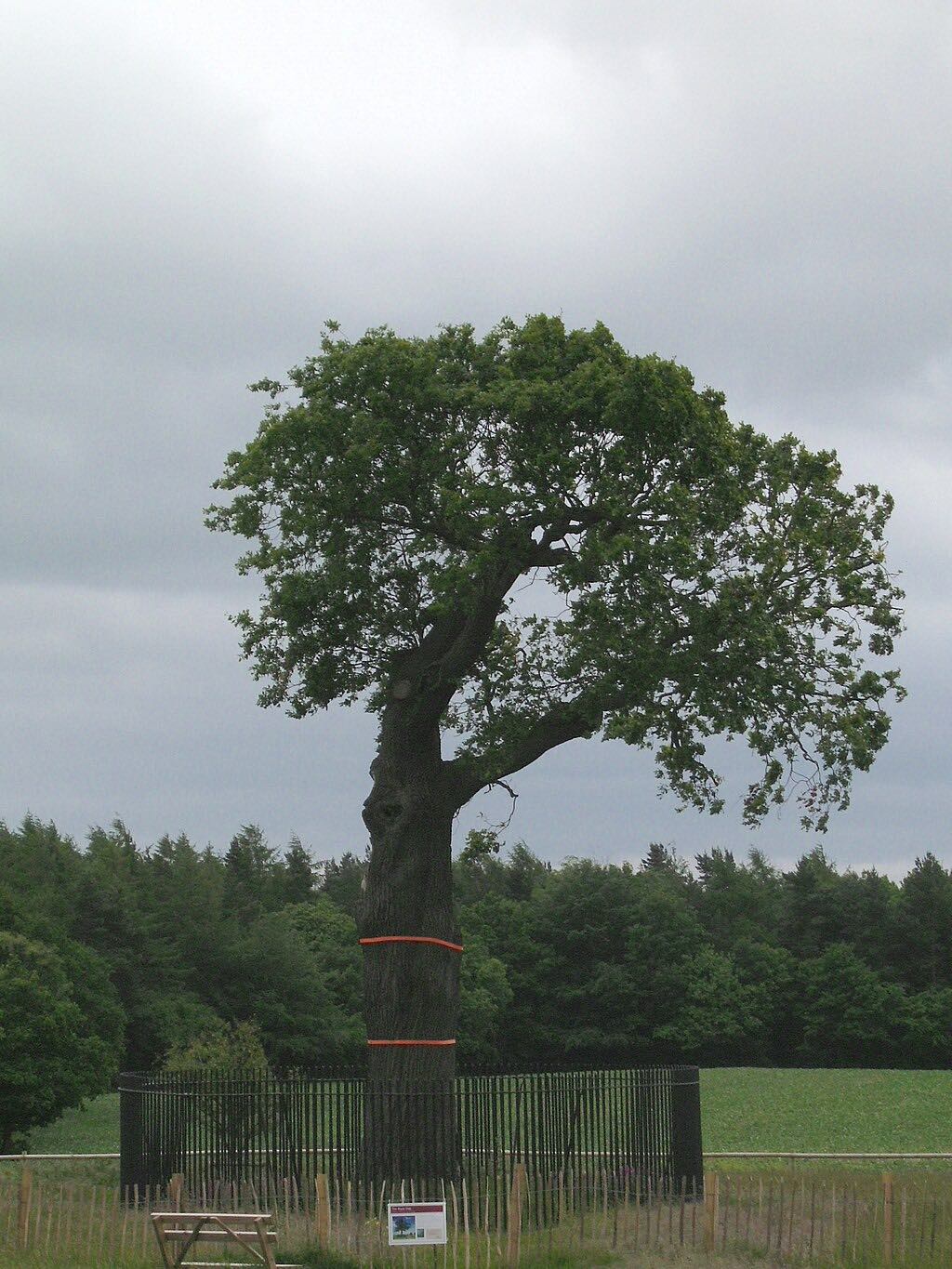
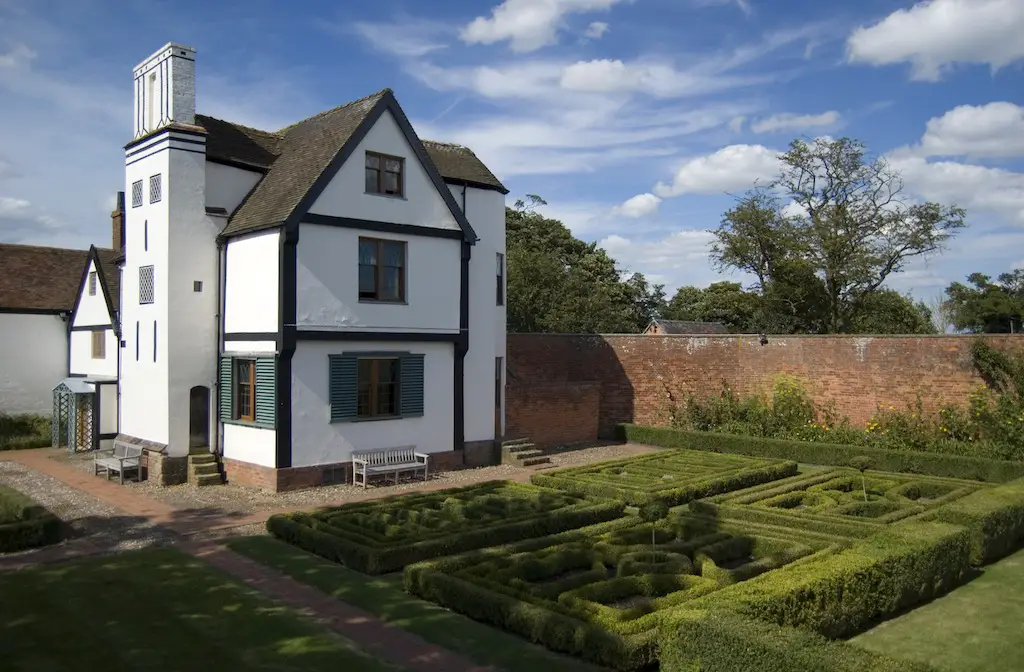
He famously hid up an oak tree on the grounds of Boscobel House, the tree became known as the “Royal Oak”, and the spot has become one of the most famous landmarks in Wolverhampton.
Queen Victoria witnessed the empire’s industrial heart firsthand
Queen Victoria passed through the Black Country during her royal progresses, witnessing firsthand the industrial power that was building her empire.
Her journeys through the region highlighted the contrast between royal splendour and industrial grit, as her entourage moved through landscapes dominated by blast furnaces, coal mines, and smoking chimneys.
Tolkien’s darkest vision of Mordor was born from local blast furnaces
Deep in Middle Earth, the world of JRR Tolkien’s Lord of the Rings depicts the land of Mordor as a dark and oppressive place. A new show called The Making of Mordor claims the steelworks and blast furnaces of the West Midlands inspired The Lord of the Rings.
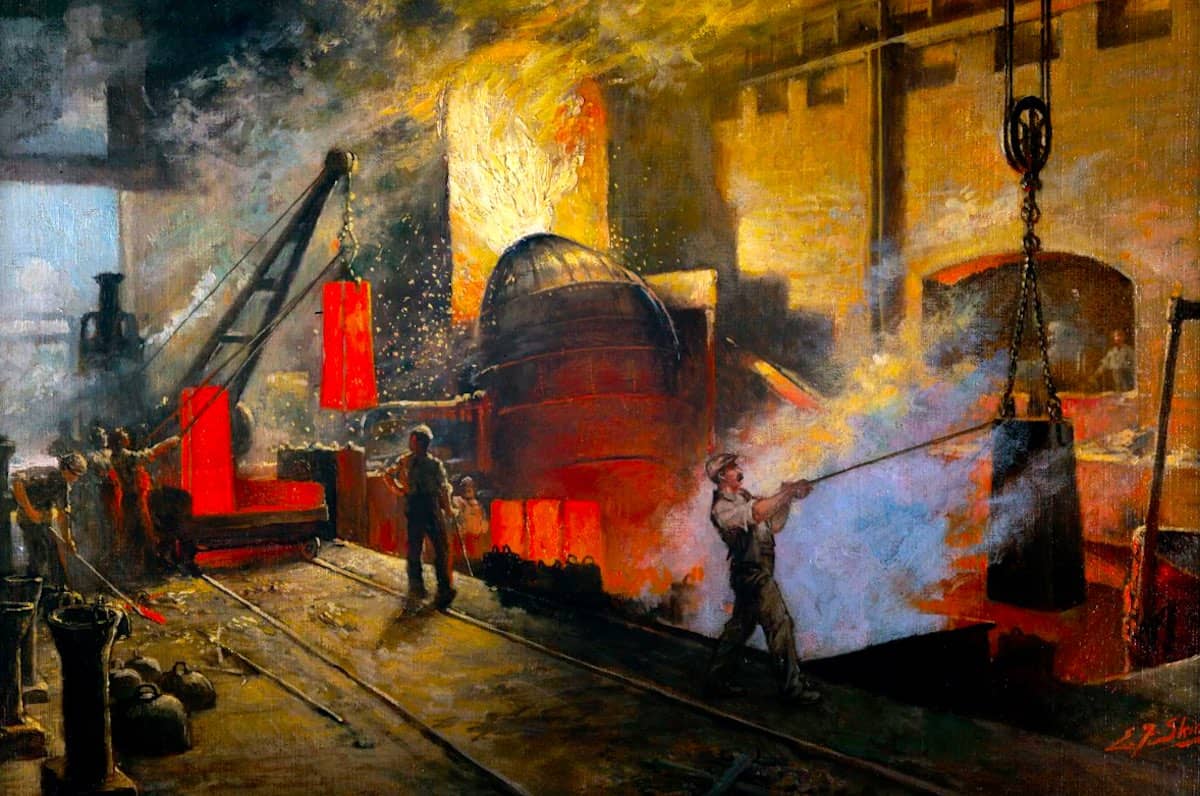
Tolkien spent his childhood near Birmingham and frequently travelled through the Black Country, witnessing the industrial hellscape that would later influence his darkest fictional realm.
Victorian observers compared the landscape to ‘the entrance to hell’
Early descriptions of the Black Country read like scenes from Dante’s Inferno. Beyond Burritt’s famous ‘black by day and red by night’ observation, other Victorian commentators were equally dramatic.
The novelist Charles Dickens described parts of the region as resembling ‘the entrance to hell‘, while other observers wrote of landscapes so polluted that vegetation couldn’t survive and the very air seemed poisonous.
The region earned the grand title ‘workshop of the world’
The Black Country’s industrial output was so significant that it earned this grandiose title. Local factories produced everything from nails and chains to sophisticated machinery exported globally.
Exporter of many of the world’s saddles and ceramics, at one point 90% of all the locks, keys and pen nibs were made here!
The region’s metalworking expertise meant that major construction projects worldwide – from railways in India to buildings in Australia – likely contained Black Country iron and steel.
Dialect and Culture
The Black Country has maintained its distinct dialect and cultural identity despite centuries of change. The accent is immediately recognisable, peppered with unique words and phrases that you won’t hear anywhere else in England. This linguistic heritage is as much a part of the region’s identity as its industrial history.
The strength of this identity is clear when compared to the Birmingham accent. For a detailed look at the differences, see our guides on Brummie vs Yam Yam, our Black Country slang, and Brummie slang.

Britain’s most complex canal network threaded through the landscape
The Black Country created one of Britain’s most intricate canal systems, with waterways threading through the industrial landscape like arteries. These weren’t pleasure cruising routes but vital transport links carrying raw materials in and finished goods out.
The engineering challenges of building canals through an area riddled with mine shafts required constant innovation, with solutions developed here later used across Britain’s canal network.
Five consecutive World Land Speed Record cars emerged from local workshops
A lesser-known fact is that the first five automobiles to hold the World Land Speed Record were all built in the Black Country, showcasing the region’s transition from traditional heavy industry to cutting-edge engineering.
This automotive heritage predated the area’s later connections to major car manufacturers.
Proud local identity defies Birmingham’s neighbouring influence
What towns are in the Black Country? The main settlements include Dudley, West Bromwich, Walsall, Wolverhampton, Bilston, Wednesbury, Oldbury, Smethwick, Tipton, Sedgley, and Brierley Hill.
Is West Bromwich in the Black Country? Absolutely. Is Birmingham in the Black Country? Definitely not – and don’t make that mistake in front of a local.
Is Telford in the Black Country? No, that’s Shropshire. These distinctions matter enormously to residents who maintain fierce pride in their unique heritage.
Living museums preserve centuries of industrial heritage

The Black Country Living Museum sits on an actual historic site where coal was mined and iron was worked for centuries. It’s not just about looking at old things in glass cases – you can ride on trams, visit working shops, buy real Victorian candies, and see demonstrations of traditional crafts.
Blists Hill Victorian Town is another living, open-air museum where Victorian life is played out in authentic fashion. Located south of Telford, its one of the highlights of Shropshire and a major attraction in the Ironbridge Gorge – a UNESCO World Heritage Site where the Industrial Revolution sparked.
These museums preserve not just objects but skills, techniques, and ways of life that shaped the modern world.
Labour movement pioneers sparked nationwide workers’ rights campaigns
Beyond the famous chain makers’ strike, the Black Country was a hotbed of labour organisation. The region saw some of Britain’s earliest trade union activity, with workers organising to improve dangerous conditions in mines, foundries, and factories.
These campaigns established principles of workplace safety and collective bargaining that spread across Britain.
Comedy legends and Hollywood stars call the Black Country home
The Black Country has produced an extraordinary array of talent that has conquered stages, screens, and comedy clubs worldwide.
Sir Lenny Henry, born in Dudley in 1958 to Jamaican immigrants, became one of Britain’s most beloved comedians and actors.
Other notable talents include Dame Julie Walters (BAFTA-winning actress), Duncan Edwards (former England and Man Utd footballer), Duran Duran (band), heavy metal band members from Judas Priest and Black Sabbath, Sam Allardyce (football manager), Jerome K. Jerome (author), and James Whale, director of classic horror films including “Frankenstein” and “The Invisible Man” in Hollywood’s golden age.
No official boundaries exist despite centuries of attempts
Despite countless attempts, no official borders exist for the Black Country. Maps show rough approximations, but ask two locals and you’ll get different answers about what’s in and what’s out.
This geographical ambiguity reflects the organic way the region developed, growing around coal seams and transport links rather than administrative convenience.
Further reading: When Is The Best Time to Visit the West Midlands? [Insider Guide]
Modern transformation preserves character while embracing the future
Today’s Black Country has successfully transitioned from heavy industry to modern manufacturing, services, and technology, but it hasn’t forgotten its roots.
The region balances respect for its heritage with plans for the future, proving that industrial heritage can be a foundation for renewal rather than a burden to overcome.
From steam engines to space-age architecture, from royal fugitives to literary inspiration, this compact region has witnessed more history per square mile than almost anywhere else in Britain.
The Black Country remains a place where the past isn’t just remembered – it’s still visible, still present, still shaping the future.
Why is Black Country called Black Country?
The name derives from two possible sources, both dating to the 1840s. First, the region sits on a thick coal seam that blackened the landscape through mining.
Second, and more dramatically, American diplomat Elihu Burritt described it as ‘black by day and red by night’ in 1862, referring to soot-filled air during the day and glowing furnaces illuminating the night sky.
What do you call someone from the Black Country?
People from the Black Country are proudly called ‘Yam Yams’, derived from their distinctive dialect pronunciation of “you are” as “yam” (or more precisely “y’owm” or “yo am”).
This term is worn as a badge of honour by locals who fiercely defend their separate cultural identity from neighbouring Birmingham and other West Midlands areas.
What was invented in the Black Country?
The most significant invention was Thomas Newcomen’s steam engine in 1712, installed at Coneygree Coal Works in Tipton – the world’s first commercially successful steam engine that launched the Industrial Revolution.
The region also pioneered advanced glassmaking techniques, chain manufacturing processes, and produced the first five automobiles to hold the World Land Speed Record.
How many towns are in the Black Country?
The Black Country encompasses approximately 11 main towns: Dudley (often considered the unofficial capital), West Bromwich, Walsall, Wolverhampton, Bilston, Wednesbury, Oldbury, Smethwick, Tipton, Sedgley, and Brierley Hill.
However, no official boundaries exist, so locals might disagree on what’s included, with the region spanning parts of four metropolitan boroughs.
How many people live in the Black Country?
The Black Country has a population of approximately 1.2 million people spread across its various towns and districts. This makes it one of Britain’s most densely populated industrial regions outside London.
The area covers roughly 140 square miles, creating a vibrant community that maintains strong local traditions while embracing modern development and cultural diversity.
Read More: West Midlands
Collection of West Midlands FREE PDF Maps
25+ Top Things to Do in Birmingham with Kids
Best Free Things to Do in the West Midlands: Top Picks
Collection of Birmingham Maps, Brochures & Guides (Free PDFs)


![23 Best Kid-Friendly Things to Do in Wolverhampton this Winter [by a Wolves Local]](https://exploretheheartofengland.co.uk/wp-content/uploads/2024/06/things-to-do-in-wolverhampton-768x706.jpg)
